WEBINAR
Analysing Plankton Dynamics in Mesocosm Studies and Long-Term Monitoring Using Imaging and AI
Wednesday, October 21st, 2:00–3:00 PM CEST | 8:00–9:00 AM EDT

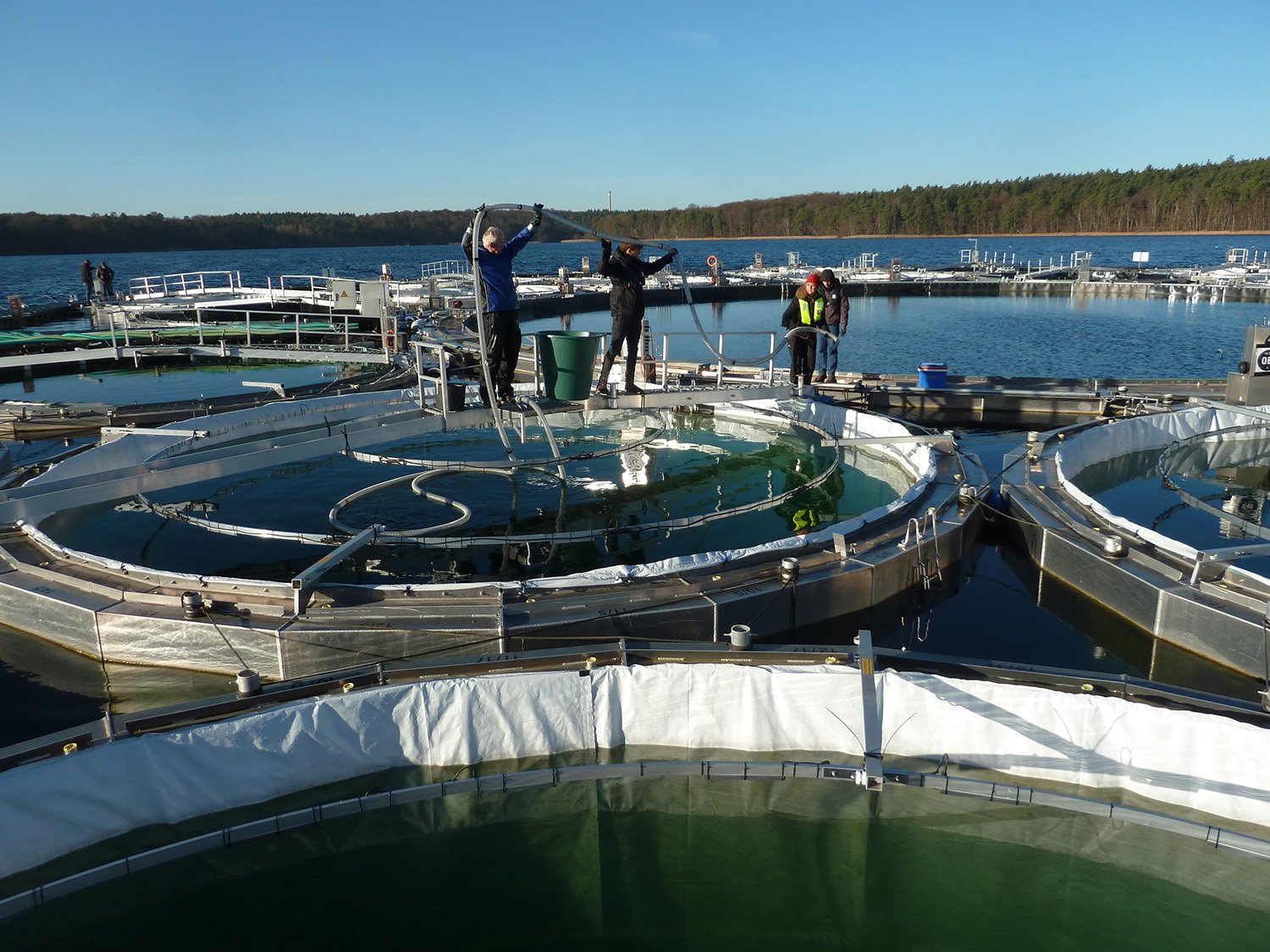
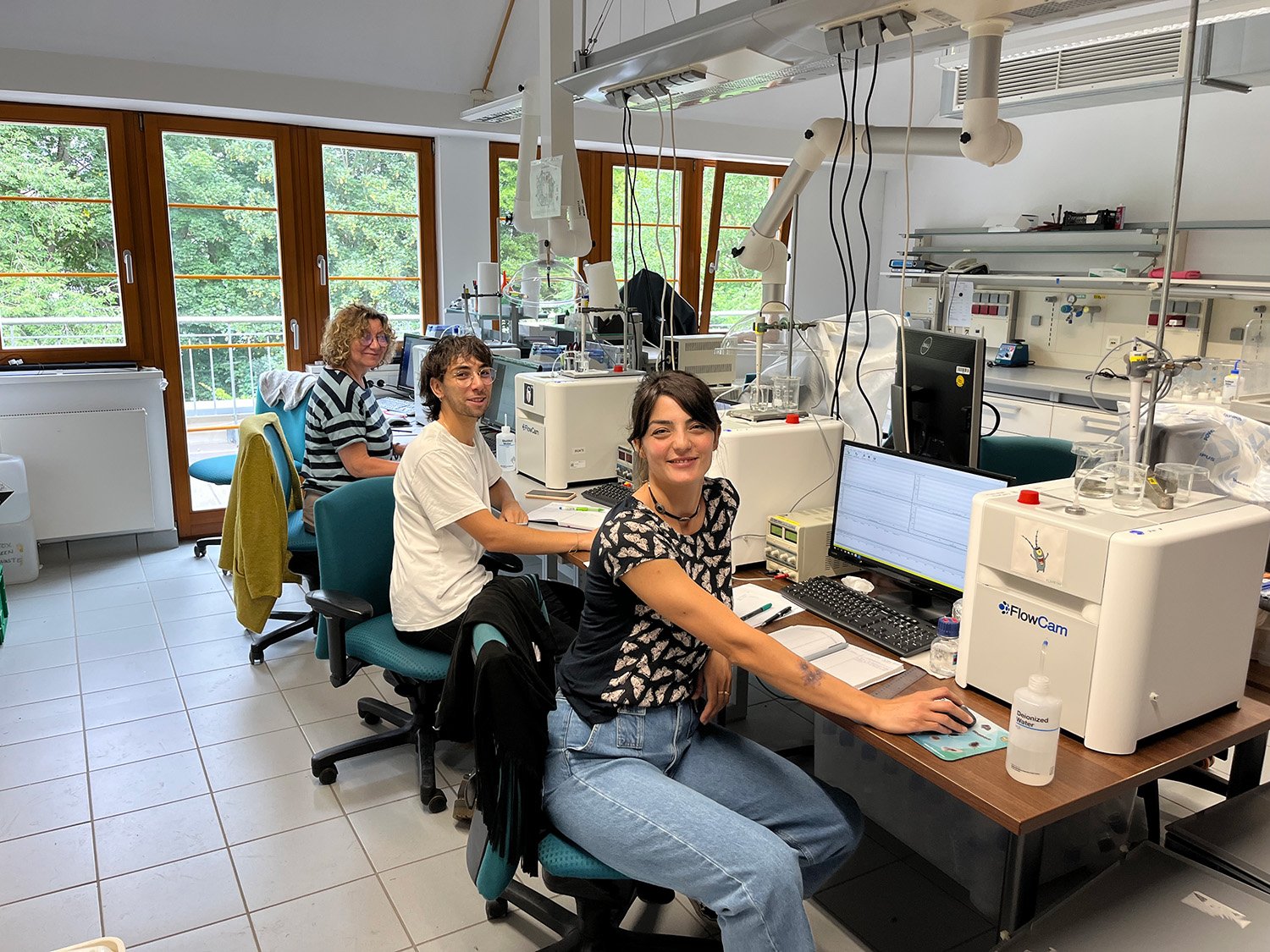
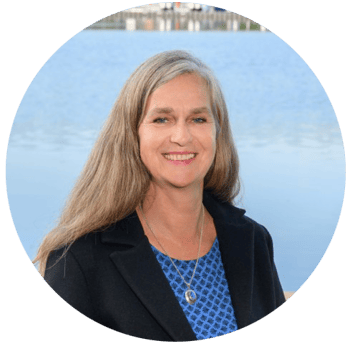
Dr. Berger is an aquatic ecologist at the Leibniz Institute of Freshwater Ecology and Inland Fisheries (IGB), where she leads the Phytoplankton Ecology research group and the Competence and Technology Platform (CTP) LakeLab, a large-scale experimental facility installed in Lake Stechlin. Her work focuses on the response of plankton communities to environmental change (eutrophication, browning, warming, deep mixing, extreme events, variable run-off, light pollution, etc.), particularly through food-web dynamics, symbiotic, saprophytic and parasitic interactions, and mixotrophy. Dr. Berger has decades of expertise in experimental mesocosm-based research that advance the understanding of plankton dynamics in aquatic ecosystems under global climate change and other anthropogenic pressures. She acted as Co-Coordinator of EU-H2020 infrastructure project AQUACOSM and AQUACOSM-plus and led the Transnational Access Programme. Dr. Berger is also active in lake monitoring programs focusing on phyto-and microplankton. Her lab is specialised in in-flow, image-based plankton analysis (including several FlowCam instruments) to define which plankton traits, community changes, and functional states are ecologically relevant in plankton organisms under changing environmental conditions.
Dr. Yalçın is an aquatic ecologist and postdoctoral researcher at the Leibniz Institute of Freshwater Ecology and Inland Fisheries (IGB), Germany in Dr. Berger’s research group. She completed her PhD in Biological Sciences at Middle East Technical University (METU), Turkey, in 2024, where her research focused on the responses of plankton communities to environmental change, including warming, eutrophication, and salinization. Her current research combines large-scale mesocosm experiments and field studies using imaging-based approaches to investigate plankton community dynamics, with a particular focus on connectivity, dispersal, and metacommunity processes across interconnected aquatic ecosystems. A major component of her work involves the use of FlowCam and other imaging approaches for high-throughput plankton identification, classification and traits characterization. She is also actively involved in the development of an open-source pipeline for standardized processing, annotation, and AI-assisted classification of FlowCam data (Label Checker), aiming to improve the accuracy, reproducibility and comparability of imaging datasets across instruments, study sites, and monitoring programs.